

Nutrition and Recovery for Junior Cyclists
For most junior riders, good nutrition and recovery do not look fancy. They look like eating breakfast before school, bringing a bottle to practice, having a snack ready for the drive home, getting into dry clothes after a ride, and getting enough sleep to do it again tomorrow.
That matters because junior cyclists are not just fueling workouts. They are fueling growth, school, mood, focus, recovery, and the rest of life. Families usually do not need a perfect plan. They need habits that are simple enough to repeat on normal weeks, busy race weekends, and chaotic school nights.
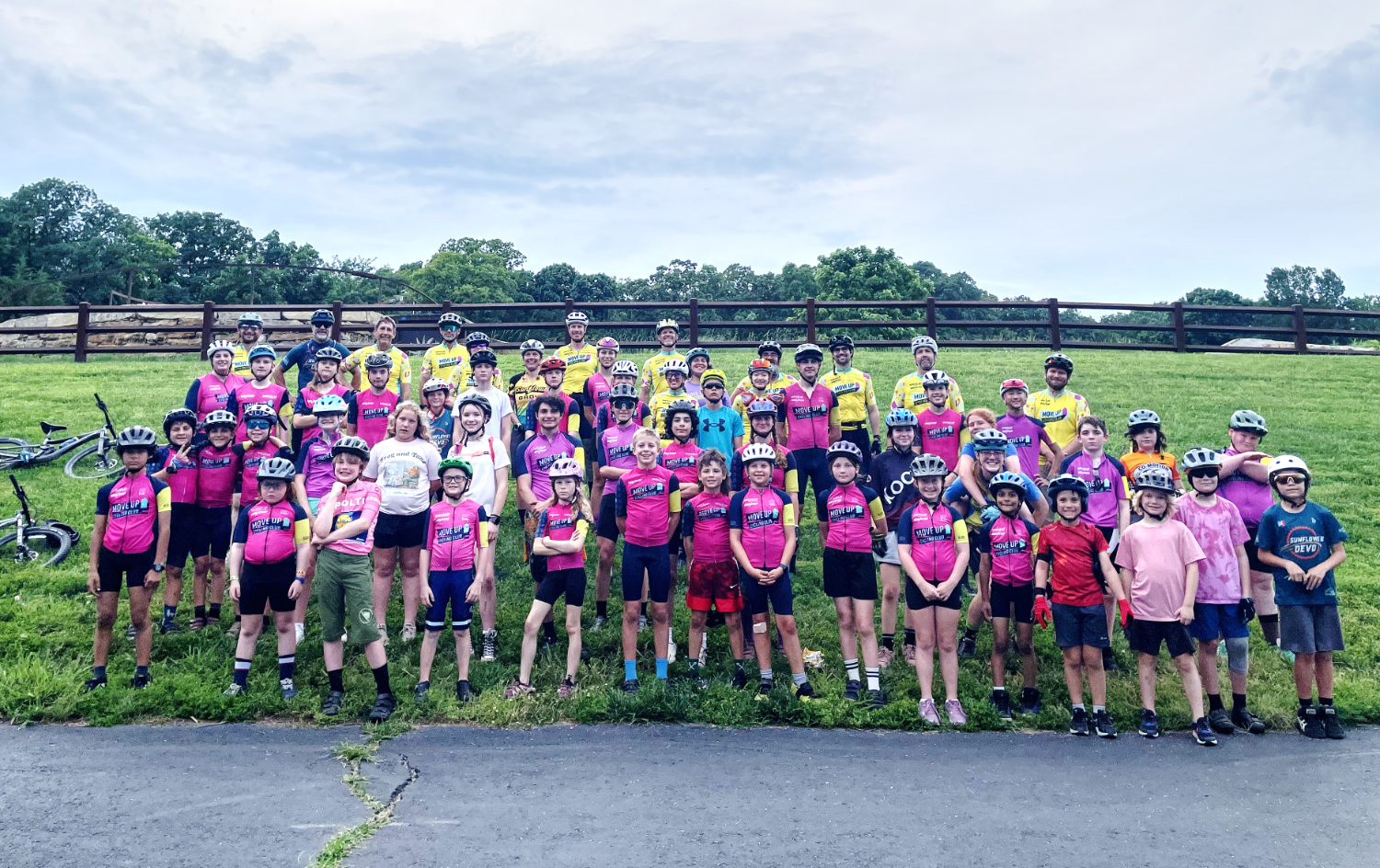
At Move Up, we know nutrition can start feeling complicated fast. Between social media, YouTube, podcasts, pro athletes sharing advanced fueling plans, and endless nutrition products being marketed to riders, it is easy to feel like you need a degree in sports nutrition just to eat breakfast.
The reality is much simpler. Most junior athletes do not need complicated meal plans, expensive supplements, or perfectly calculated nutrition strategies. They need to understand the basics, practice those basics consistently, and gradually build knowledge over time.
What This Looks Like In Real Life
For many families, progress starts with a few ordinary routines: a real breakfast, a snack packed before leaving the house, water in the car, and something easy to eat after training. None of that is glamorous, but it works.
We would rather see a junior rider consistently do the basics than chase an advanced fueling plan they cannot maintain. The goal is not to eat like a WorldTour pro. The goal is to support training, recovery, and long-term development in a way that fits real life.
Fuel The Whole Athlete
Young riders are not just fueling workouts. They are fueling growth, school, mood, focus, recovery, and everything else happening in their lives. Eating enough is often the first priority.
One of the most common nutrition mistakes we see in junior athletes is not eating the wrong foods. It is simply not eating enough. Growing athletes have significant energy demands, and adding cycling training on top of school, other sports, and everyday life only increases those needs.
Our approach is usually straightforward: focus on mostly whole foods, make sure meals contain adequate carbohydrates, protein, and healthy fats, and develop habits that can be repeated consistently. Perfection is not required. Consistency is.
Understanding The Basics
When we work with athletes, we do not provide meal plans where every bite of food is measured and every calorie is tracked. Instead, we focus on helping athletes understand the role each nutrient plays in performance and recovery.
Carbohydrates are the primary fuel source for endurance athletes and are especially important for supporting training, racing, and recovery. Protein helps repair muscle tissue and supports growth and development. Dietary fat plays an important role in hormone production, nutrient absorption, overall health, and helping athletes stay satisfied between meals.
Junior athletes do not need to understand every detail of carbohydrate absorption or advanced sports nutrition. They simply need to understand the basic principles that support performance and learn how to apply them consistently. Simple is almost always better.
Before Training
Riders should begin training with enough energy on board. For many juniors, this means eating a normal meal a few hours before riding or having a simple snack closer to the start of the workout.
The exact timing and amount will vary from athlete to athlete, but the goal remains the same: avoid starting important workouts hungry. Consistently showing up under-fueled makes training harder than it needs to be and often limits both performance and recovery.
Over time, athletes learn what works best for them. Some riders prefer larger meals further away from training, while others perform well with a smaller snack closer to the start. Finding that balance is part of the learning process.
During Training
Learning to eat and drink during training is a skill. Like any other skill, it improves with practice.
For shorter rides, water may be sufficient. As rides become longer, harder, or take place in hot weather, athletes often benefit from additional carbohydrates and electrolytes. This is where products like sports drinks can be useful.
Many athletes begin with something simple such as Gatorade or another sports drink and gradually learn how much carbohydrate they can comfortably consume during exercise. As athletes gain experience and begin participating in longer events, they may start paying attention to things like grams of carbohydrate per hour and more advanced fueling strategies.
It is important to remember that even professional athletes did not start by consuming 120 grams of carbohydrate per hour. Those strategies are developed gradually over time through practice and experience. Junior athletes should take the same approach by starting conservatively and learning what works for their body.
After Training
Recovery starts with the basics: food, fluids, dry clothes, sleep, and time.
After training, athletes should aim to eat a meal or snack that contains both carbohydrates and protein. This helps replenish energy stores, supports recovery, and prepares the body for future training.
Recovery nutrition does not need to be complicated. Chocolate milk, a sandwich, rice and chicken, yogurt with fruit, or any balanced meal can work well. The most important thing is consistently replacing the energy used during training.
Race Day Nutrition
Race days often create unique challenges because schedules become less predictable. Athletes may wake up earlier than normal, travel to unfamiliar locations, deal with race nerves, or find themselves racing at a time they are not accustomed to.
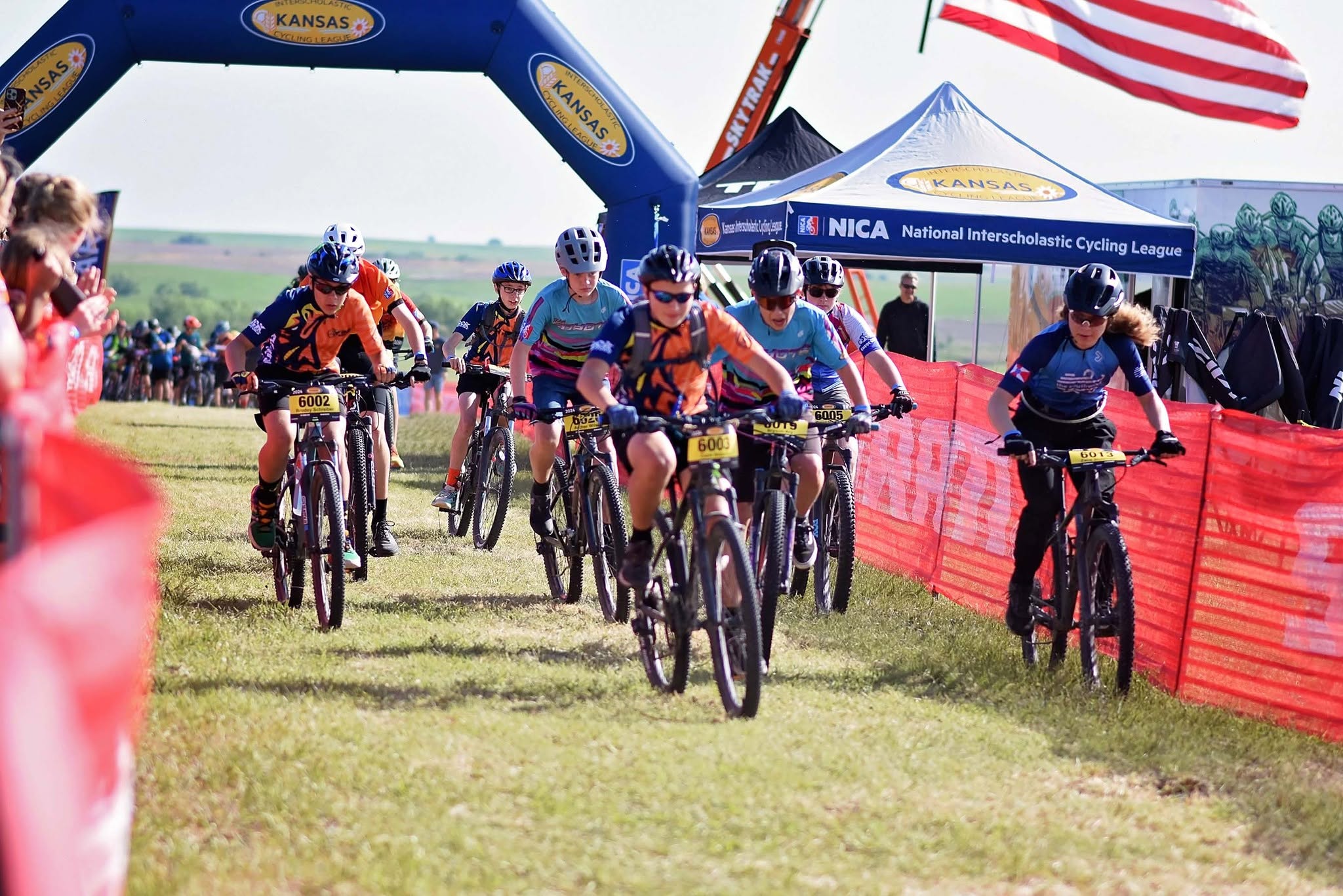
This is why we encourage athletes to practice race-day nutrition before race day. Whether it is a Kansas NICA race, a Missouri NICA event, a gravel race, or a mountain bike race, athletes should have a basic plan for what they will eat before the event, what they will drink leading up to the start, and how they will fuel during the race if necessary.
There are many useful guidelines that can help athletes make good decisions. For example, a common recommendation is to consume approximately one gram of carbohydrate per kilogram of body weight for every hour before an event when planning a pre-race meal. While those guidelines are valuable, they can also feel overwhelming when athletes first encounter them.
Our goal is not simply to tell athletes what to eat. Our goal is to help them understand why they are making those choices so they can adapt when plans change. If a race starts later than expected, travel delays occur, or breakfast happens at a different time than planned, athletes need the knowledge to make smart adjustments on their own.
Hydration Is A Skill
Hydration is often treated as something athletes either do or do not do. In reality, hydration is a skill that improves with practice.
Athletes should learn what normal hydration feels like, how much fluid they typically need during different conditions, and how factors such as heat, humidity, and exercise intensity influence those needs.
Many performance issues that athletes attribute to fitness are actually hydration problems. Headaches, fatigue, poor concentration, and declining performance can all be related to inadequate fluid intake.
Like nutrition, hydration does not need to be complicated. The goal is simply to build habits that keep athletes consistently prepared.
Sleep And Stress
Sleep is one of the most powerful recovery tools available to junior athletes.
Recovery does not happen during training. Recovery happens afterward. Sleep is when much of the body’s repair, adaptation, and growth takes place.
School stress, travel, busy schedules, other sports, social commitments, and life in general all affect recovery. That is why training plans need to remain flexible. Sometimes the best thing an athlete can do for performance is not another workout. It is getting an extra hour of sleep.
Many athletes focus heavily on training while overlooking recovery. In reality, both are equally important. Training creates the stimulus. Recovery is where adaptation occurs.
Keep It Positive
Nutrition conversations with young athletes should avoid fear, guilt, and unnecessary restrictions. The goal is not to create anxiety around food. The goal is to help athletes understand how fueling supports the things they want to do.
Food is not something athletes need to earn. It is fuel for training, recovery, growth, learning, and performance. Helping young athletes build a healthy relationship with food is often just as important as teaching them sports nutrition principles.
Over time, athletes who develop simple, sustainable nutrition habits tend to perform better, recover better, and enjoy the sport more. Those habits often continue paying dividends long after their junior cycling years are over.
Where Move Up’s Experience Fits
Through Move Up Cycling Club, NICA coaching, private coaching, and youth cycling clinics, we have helped athletes navigate nutrition challenges ranging from simply remembering to eat breakfast before practice to preparing fueling plans for long races and championship events.
We have also worked with plenty of families where the challenge was not advanced sports nutrition at all. It was making sure a rider had enough food on a school day, remembered a bottle, or had something ready to eat after practice before the evening got away from them.
Our approach is always to start with the basics, build consistency, and gradually increase complexity only when it is needed. Most athletes do not need a perfect nutrition plan. They need a practical one they can actually follow.
As athletes gain experience, we help them learn how to adjust those plans based on training load, race demands, travel schedules, weather conditions, and their own personal preferences. The goal is to develop confident athletes who understand how to fuel themselves effectively for both performance and long-term health.
Related Resources
Move Up offers coaching that can be tailored to junior riders, families, and race seasons. Learn how coaching can support junior cyclists.