

Parent’s Guide To Junior Cycling
If your child is getting interested in cycling, there is a good chance you are trying to understand the sport at the same time they are. Maybe they joined a NICA team, started asking about races, or simply went from riding around the neighborhood to wanting longer rides, more structure, and more time on the bike. However it starts, most parents end up asking the same practical questions: Is this safe? How much training is appropriate? Does my child need expensive equipment? Am I helping, or am I making this more stressful than it needs to be?
That uncertainty is normal. Junior cycling can look complicated from the outside because it includes several different disciplines, a wide range of athlete ability, and plenty of opinions about what young riders should or should not be doing. The good news is that the basic principles are usually simpler than they appear. Most families do better when they focus less on trying to optimize everything immediately and more on building a healthy, sustainable relationship with the sport.
Over the past decade, Move Up has worked with junior cyclists ranging from complete beginners to athletes competing at Junior Nationals. The pattern is pretty consistent. The young riders who thrive long-term are not always the ones who race the most or train the hardest early on. They are usually the ones who develop skills, confidence, independence, and a real enjoyment of riding. They stay healthy, keep perspective, and continue to want the bike to be part of their life.
This guide is meant to help parents understand what junior cycling actually looks like today, what kind of support is most useful, and how to make good decisions without getting buried under internet advice.
What Junior Cycling Actually Includes
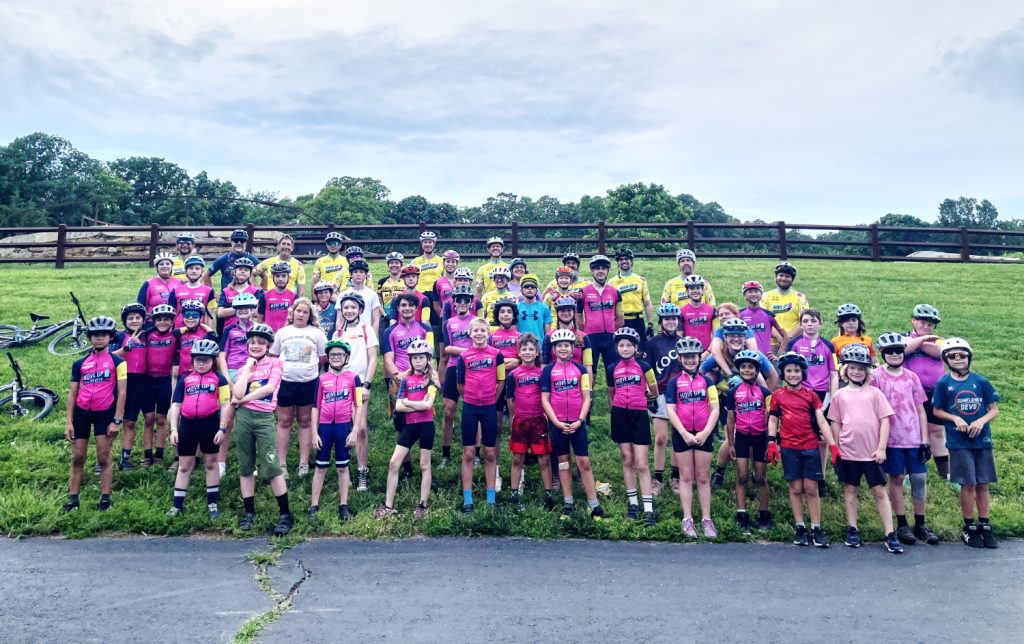
One of the first surprises for many parents is that junior cycling is not one narrow pathway. It can include mountain biking, NICA racing, gravel riding, cyclocross, road cycling, skills clinics, local group rides, and more structured coaching or training. For some families, cycling begins with a school-based mountain bike team. For others, it starts with a child who simply enjoys riding and gradually becomes more curious about racing, training, or bigger goals.
That variety is a good thing. Not every junior cyclist needs to race, and not every rider who races needs to specialize early. Many young athletes benefit from being exposed to different kinds of riding before they narrow their focus. Mountain biking may build handling skills and confidence. Cyclocross may teach pace changes and comfort under pressure. Road riding may improve pack awareness and endurance. Gravel can introduce challenge and independence in a different way. None of those experiences are wasted.
Parents sometimes worry that their child needs to commit quickly in order to keep up. In most cases, that is the wrong concern. A love of riding is a better foundation than a love of results, and curiosity is usually a better starting point than pressure. If a young athlete still wants to ride when no one is talking about rankings, training plans, or equipment upgrades, that is usually a very healthy sign.
Development Matters More Than Early Results
If there is one idea that should sit underneath every decision in junior cycling, it is this: development matters more than results. Results can be exciting, motivating, and meaningful, but they do not tell the whole story. A podium at age 12 does not guarantee long-term success, and a mediocre finish at 14 does not mean an athlete lacks potential.
When we look at whether a junior rider is actually developing, we pay attention to things like consistency, confidence, decision making, pacing, handling skills, resilience, independence, and whether the athlete still enjoys the work of improving. Those qualities are what tend to hold up over time. They matter when races go well, and they matter even more when races do not.
Parents can help a lot here by widening the definition of a successful season. Improvement might mean better bike handling, calmer race mornings, smarter pacing, or more confidence riding with a group. It might mean learning to recover better between events, communicating more honestly about fatigue, or simply staying enthusiastic through a full season. Those are real wins, even when they do not show up in a result sheet.
The goal is not to create the fastest young rider as early as possible. The goal is to help a young athlete become a capable, confident cyclist who still wants to ride a few years from now. Long-term progress is rarely linear, and parents who understand that tend to create a much healthier environment around the sport.
NICA, Mountain Biking, Road, Gravel, and Cyclocross
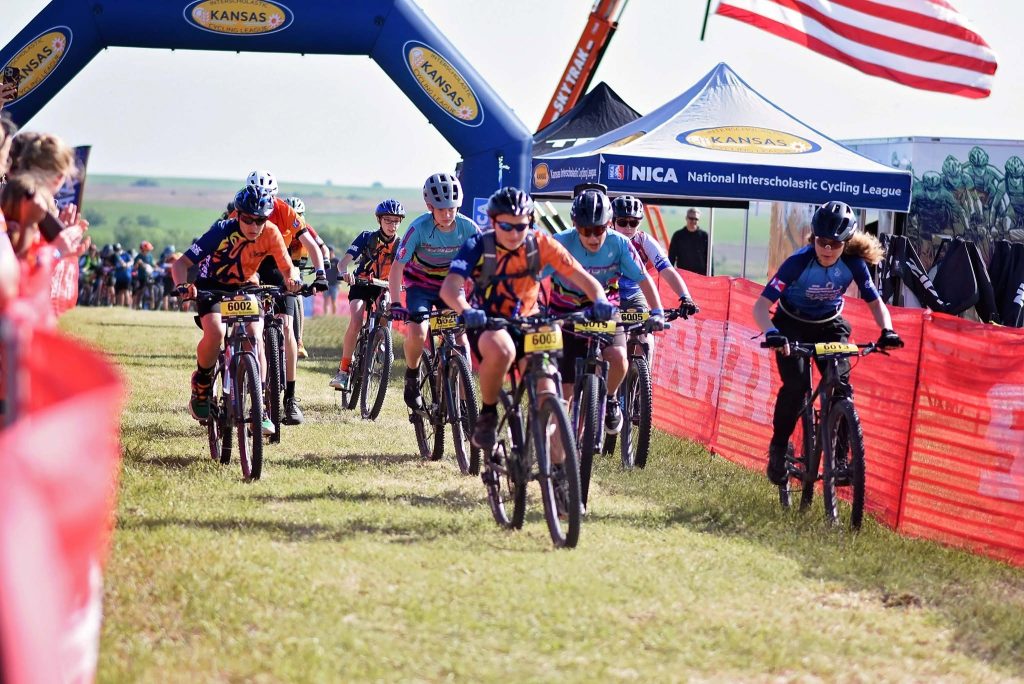
For many families, NICA is the entry point into organized cycling, and for good reason. NICA has introduced a huge number of young riders to mountain biking through a model that emphasizes inclusivity, character, community, and long-term participation in addition to competition. Some riders are chasing strong race results. Others are trying to finish their first event, make friends, and gain confidence on the bike. Both experiences have value.
That perspective matters because parents sometimes assume youth cycling only makes sense for naturally fast or highly competitive kids. In reality, plenty of juniors stay in the sport because they enjoy the environment, the challenge, and the feeling of getting better at something difficult. They are not all on a straight line toward elite racing, and they do not need to be. A healthy junior program gives different kinds of riders a reason to stay involved.
As athletes grow, some will become more interested in a particular discipline. A rider who loves technical handling may lean toward mountain biking or cyclocross. A rider who enjoys longer steady efforts may eventually gravitate toward road or gravel. Those preferences can change over time, and there is usually no need to force them too early. What matters more is whether the athlete is building broad skills and staying engaged with the process.
How Much Training Is Appropriate?
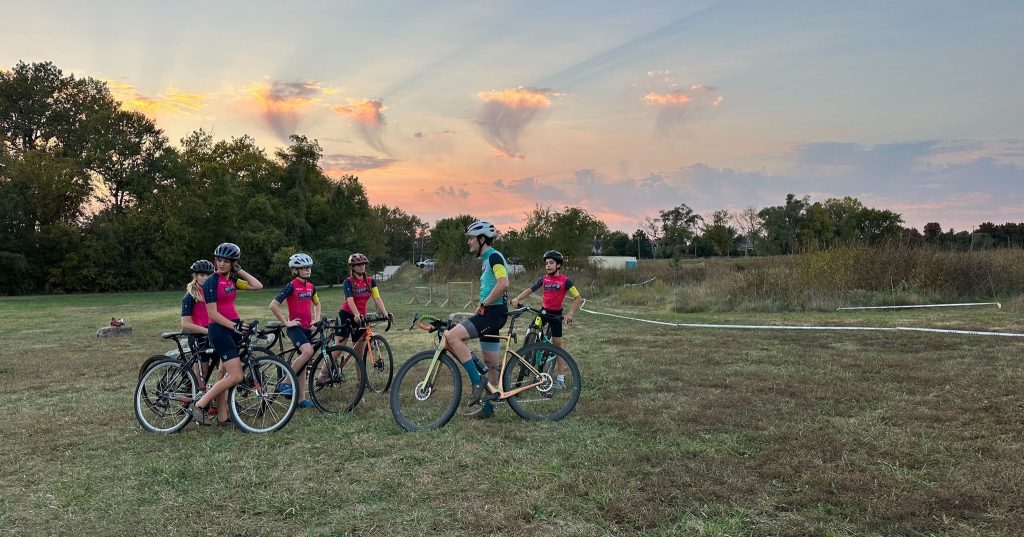
This is one of the most common questions parents ask, and the honest answer is that the right amount of training depends on the athlete. Age matters, but so do maturity, training age, motivation, school demands, sleep habits, emotional stress, family schedule, and whether the rider is still excited to get on the bike. There is no single number of hours that automatically makes sense for every junior athlete.
For younger or newer riders, frequent riding, skill development, group experience, and enjoyment are often more important than a tightly structured plan. A child who wants to ride, is improving, and still has plenty of energy for school and the rest of life is usually in a healthier place than a child who is technically following a plan but is constantly tired, flat, or stressed. More training is not automatically better, especially during growth and busy school periods.
As riders mature and set clearer goals, training can become more structured. That can be useful, but structure should still fit the athlete rather than dominate the athlete’s life. One of the biggest mistakes families make is assuming that the junior who does the most at 13 will be the strongest at 18. That is not how development usually works. The athletes who stay healthy, recover well, and keep enjoying the process tend to be the ones who continue improving over time.
Equipment And Safety Basics
Parents are often relieved to hear that a young rider does not need an expensive bike to get a lot out of junior cycling. A reliable bike that fits properly and works well is much more important than chasing high-end equipment. Before worrying about upgrades, it makes more sense to focus on fit, brakes, shifting, tires that suit the terrain, a good helmet, and basic maintenance. A modest bike that is safe and well cared for is usually a far better investment than an expensive bike that does not fit or is poorly maintained.
From a safety standpoint, rider behavior and skill matter at least as much as the bike. Young athletes become safer when they learn how to brake well, corner predictably, communicate, hold a line, ride aware of other people, and make good decisions when conditions change. Those habits transfer across every discipline. They also make the sport more enjoyable because the athlete feels more in control.
This is another reason parents do not need to panic about having the “right” setup immediately. If a rider is still learning basic handling, body position, pacing, and awareness, the best next investment may not be equipment at all. It may be time on the bike, a safer routine around maintenance, or help developing skills and confidence.
Recovery, Sleep, School, and Life Balance
Junior athletes are not just athletes. They are students, family members, friends, and growing young people whose recovery is shaped by far more than what happens in training. School stress, changing sleep patterns, social stress, travel, and life outside the sport all affect how much training makes sense and how well a rider can absorb it.
One of the most useful things parents can remember is that training does not happen in a vacuum. A hard week at school changes what the body and brain can handle. A run of late nights changes how an athlete responds to workouts. A full calendar of races, practices, and other commitments can make even a reasonable training load feel excessive. In a lot of cases, the right decision is not to add more. It is to protect recovery.
Some of the strongest juniors we have worked with were not necessarily the ones training the most. They were often the ones sleeping enough, eating enough, managing stress well, and staying consistent without getting overwhelmed. An extra hour of sleep will solve more junior-performance problems than an extra hour on the bike ever will. Parents who help create a sustainable schedule are often doing more for performance than they realize.
What Helpful Race-Day Support Looks Like
Race days can feel high stakes, especially when a young rider is nervous and a parent wants the day to go well. In practice, one of the most valuable things a parent can do is provide calm structure. Help the athlete arrive with enough time, make sure the basics are covered, and keep the environment steady enough that the rider can focus on riding instead of scrambling through avoidable problems.
Most race-day mistakes are not glamorous. They are simple logistical problems like skipped breakfast, forgotten bottles, missing shoes, poor staging timing, or rushing warm-up. Parents can be a huge asset by helping remove that chaos. The goal is not to coach every detail from the sideline. The goal is to make the day manageable.
After the race, it usually helps to resist the temptation to launch straight into analysis. A better starting point is often a calm conversation built around a few useful questions: Did you have fun? What went well? What did you learn? Those questions give the athlete room to reflect without feeling judged. They also make it easier for a young rider to stay honest about nerves, mistakes, and what they want to improve next time.
Nutrition And Fueling Basics
Nutrition can sound complicated, but most junior athletes do not need an advanced fueling system. They usually need to eat enough, eat regularly, and arrive at training or racing with more energy than many families realize is necessary. Young riders are often balancing growth, school, and multiple training days in the same week. Underfueling is a much more common problem than overcomplicating sports nutrition.
The basics matter a lot: breakfast before school and training, enough food across the day, consistent hydration, and eating again after hard rides or races instead of waiting too long. Many young athletes are not struggling because they need a more sophisticated product or plan. They are struggling because they skipped breakfast, under-ate before practice, or have gone through the day without enough total energy.
That is why we usually focus on consistency before precision. A family does not need perfect nutrition habits to support a junior cyclist well. It is far more important to build repeatable habits that keep energy, mood, recovery, and training quality from falling apart during the week.
Common Mistakes Parents Make Without Meaning To
Most parents are trying to help, not create pressure, but a few patterns show up often enough that they are worth naming. One is overemphasizing results. Competition matters, and it is completely fine to be excited about a strong ride or a good finish. Problems start when results become the only thing anyone talks about. Young athletes need to know that effort, learning, confidence, and progress still count when the result sheet is disappointing.
Another common mistake is comparison. Junior athletes mature at different rates, and those differences show up in power, skill, confidence, body size, and race outcomes. Comparing one rider’s path to another rarely gives families useful information. More often, it creates pressure that makes the sport less enjoyable and less sustainable. It is usually better to ask whether the athlete is improving relative to where they were six months or a year ago.
Parents can also get pulled into early specialization without realizing it. Many strong cyclists played multiple sports, developed broad athletic skills, and did not organize their whole identity around cycling at a young age. There is nothing wrong with a motivated junior taking cycling seriously, but seriousness should not automatically crowd out variety, rest, or normal life.
When Coaching Can Help
Not every junior cyclist needs a coach. Many young riders can make excellent progress by riding consistently, learning from team coaches and mentors, and staying involved in a healthy program. Coaching becomes more useful when an athlete has clearer goals, needs help balancing training and recovery, wants structure that fits real life, or needs support that goes beyond what a team environment can provide.
For junior athletes especially, good coaching is not just about assigning workouts. It is about helping the rider learn how to train, how to communicate, how to recover, how to pace, and how to make better decisions over time. It should support development, not add unnecessary pressure. If coaching creates more family stress, more anxiety, or a narrower definition of success, something is off.
The best coaching relationships usually make the athlete feel more capable and more supported, not more trapped. That is true whether the rider is trying to prepare for Junior Nationals or simply wants more confidence, better structure, and a healthier rhythm through a busy season.
Questions To Ask Before Choosing A Junior Coach
If your family is considering coaching, it helps to ask questions that reveal how the coach thinks about development, communication, and the role of the sport in a young athlete’s life. A few of the most useful questions are:
- How do you adjust training for age, maturity, and experience?
- How do you communicate with both the athlete and the parent?
- How do you balance performance goals with long-term development?
- How do you handle school stress, sleep, recovery, and other activities?
- How do you try to prevent burnout?
- What does success look like for a junior athlete in your program?
- What support does the athlete have during race season?
The answers usually tell you more than a list of race results ever will. A good junior coach should sound like someone who understands the athlete as a whole person, not just as a set of workouts and outcomes.
Keep The Sport Worth Coming Back To
The healthiest junior cycling environments usually have a few things in common. The athlete feels supported rather than evaluated all the time. The family keeps perspective when races go badly. Improvement is taken seriously, but not so seriously that the sport starts to feel fragile. The rider is allowed to enjoy being young while also learning commitment, discipline, and responsibility.
That balance matters. Cycling can become a lifelong sport, which is part of what makes it so valuable. It can teach independence, resilience, confidence, and problem solving in ways that carry far beyond race results. Parents play a big role in whether that experience feels expansive or exhausting.
If you can help your child keep enjoying the bike while they learn how to work, improve, and handle setbacks, you are already doing a lot right.