

NICA Season Guide for Riders and Parents
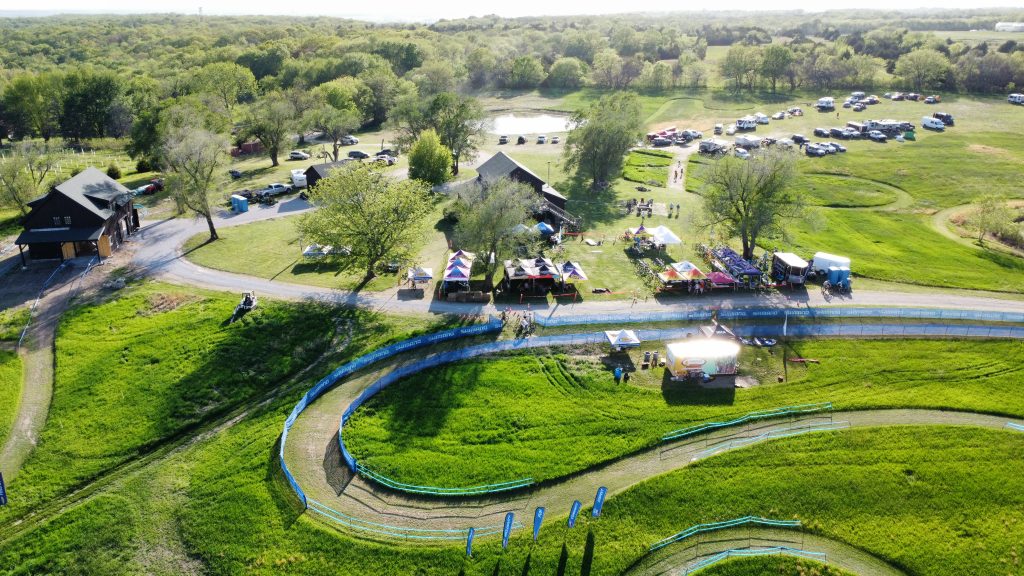
For many young cyclists, NICA is where everything starts. It is often their first experience riding with a team, training with a purpose, traveling to races, and challenging themselves in a competitive environment. Whether an athlete is hoping to finish their first race or compete near the front of the varsity field, NICA can be an incredible place to build confidence, skills, friendships, and a lifelong love of riding.
At Move Up, we have worked closely with athletes in Kansas NICA and Missouri NICA, along with riders in leagues throughout the country. One thing we have learned is that the best NICA seasons are rarely about doing the most training. They are usually about consistency, skill development, smart planning, recovery, and keeping the sport enjoyable.
This guide is designed to help riders and parents understand what matters before the season, during the season, on race weekends, and after races so the NICA experience feels productive instead of overwhelming.
What This Page Helps With
- Preparing for a successful NICA season.
- Understanding what beginner riders need versus what experienced varsity riders need.
- Balancing team practices, school, training, recovery, and race weekends.
- Creating better race-week and race-day routines.
- Helping parents support their athlete without adding unnecessary pressure.
Quick Takeaways
- Beginners do not need a highly structured training plan to have a successful season.
- Consistency matters more than heroic single workouts.
- Bike handling skills often improve results faster than adding more fitness.
- In season, most athletes perform better when they protect recovery instead of trying to ride hard every day.
- A first-year middle-school rider and a competitive varsity rider should not be following the same expectations.
- If school, sleep, or another sport is already stretching the athlete thin, doing less is often the smarter choice.
What NICA Athletes Actually Need
When people think about mountain bike racing, they often assume fitness is the most important factor. Fitness matters, but it is only one piece of the puzzle. Most NICA athletes need a combination of aerobic fitness, bike handling skills, confidence, race-day experience, good recovery habits, and consistency.
Many races are won and lost because of pacing, skills, confidence, line choice, and decision-making rather than raw fitness. We have seen athletes make enormous improvements simply by becoming more comfortable on their bike, learning how to corner more efficiently, climbing with better traction, managing race nerves, and developing better habits around fueling and recovery.
The goal is not to build the fittest 14-year-old in the state. The goal is to help young athletes steadily improve while maintaining a healthy relationship with the sport.
Before the Season

One of the most common mistakes families make is treating the start of the season like a deadline. In reality, the weeks leading into NICA should be about building consistency. Athletes do not need to show up to the first practice in peak race shape. They simply need enough riding in their legs that they can start team practices feeling comfortable, confident, and ready to learn.
Before the season starts, focus on five basics:
- Make sure the bike is safe and working well.
- Establish a riding routine.
- Practice a few basic mountain bike skills.
- Gather the gear needed for practices and races.
- Communicate with coaches early if the athlete is balancing other sports, injuries, or schedule limitations.
A Good Starting Point by Rider Level
These are general guidelines, not rigid rules.
First-year middle-school rider or true beginner
- Start riding consistently about 6 to 8 weeks before the season.
- Aim for 2 rides per week as a minimum starting point.
- Most rides can be 45 to 75 minutes and unstructured.
- Priority should be comfort on the bike, basic skills, and simply learning to enjoy riding trails.
Returning rider or developing JV athlete
- Start riding consistently about 8 weeks before the season.
- Aim for 3 rides per week when possible.
- Add a little more total time before adding much more intensity.
- Begin paying more attention to recovery, pacing, and following a simple weekly structure.
Experienced JV or varsity rider trying to be competitive
- NICA may be one part of a larger race season, so planning should begin earlier.
- Many serious riders benefit from starting 12 to 16 weeks out and thinking in phases instead of cramming at the last minute.
- Many competitive varsity riders will often end up riding 4 to 6 days per week depending on team practice, recovery needs, other sports, and life load.
- Frequency should usually increase before intensity does.
What to Work on Before Practices Begin
For beginners, the goal is not perfect training. The goal is to remove avoidable stress once the season starts.
- Learn how to shift smoothly.
- Practice braking before corners instead of in them.
- Ride standing up on descents with relaxed arms and legs.
- Practice starting and stopping cleanly.
- Learn how to carry speed through simple turns.
- Get used to drinking water and eating a snack during longer rides.
- Make sure the athlete knows how to handle a flat tire or at least what to do if one happens.
If a rider is already experienced and motivated, this is also a good time to introduce some simple structure. That might be as basic as one longer endurance ride each week and one intentional harder session, but it does not need to become complicated immediately.
Balancing NICA With Other Activities
This is one of the biggest challenges for many families. Plenty of NICA athletes also play other sports, take demanding classes, participate in music or clubs, or simply have a full family schedule. That is normal, and it does not automatically mean the athlete is falling behind.
For younger athletes especially, a broad athletic background is usually a positive, not a problem. Running, ball sports, gymnastics, skiing, and other activities can all help build coordination, athleticism, confidence, and enjoyment.
Sometimes the right answer is more training. Sometimes the right answer is less training and more sleep.
A good rule for parents and athletes is this: if adding more riding is making the athlete more stressed, more tired, less excited to ride, or less consistent with school and sleep, that extra training is probably not helping.
For athletes balancing NICA with cross-country running, soccer, basketball, track, or other demanding activities, it is often better to do fewer bike rides with a clear purpose than to try to squeeze in extra tired miles.
In other words, these examples are starting points, not standards of commitment or toughness.
During the Season
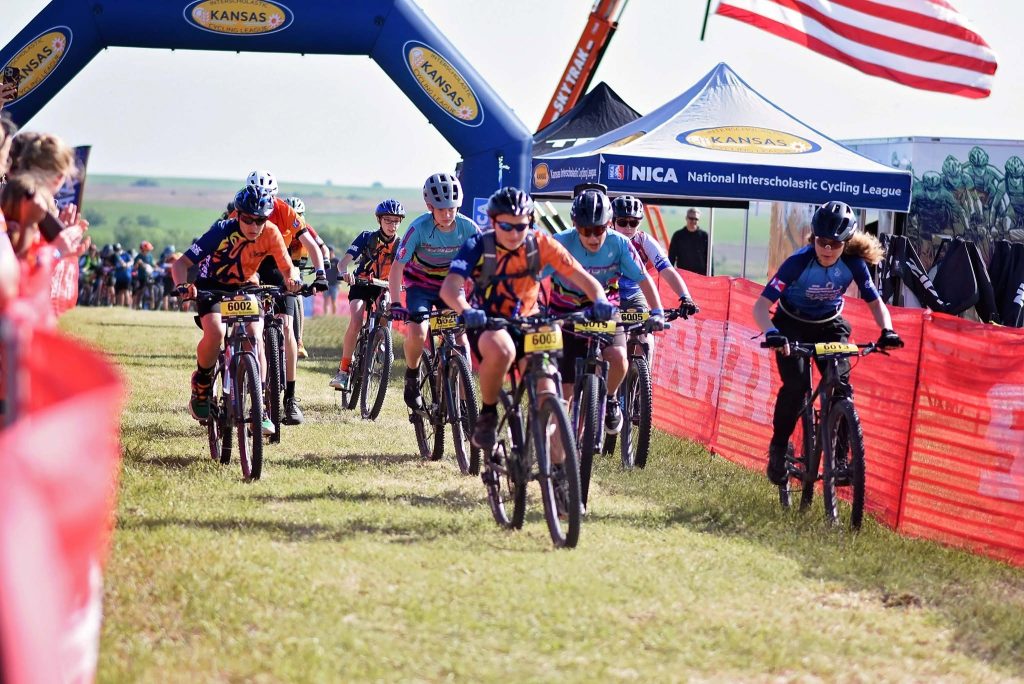
Once team practices and races begin, training should support the season instead of competing with it. The goal is to help athletes arrive at races prepared, confident, and fresh enough to ride well.
For most riders, the priorities during the season are:
- Recover from the previous race.
- Stay consistent with riding.
- Continue building skills.
- Maintain or slightly improve fitness.
- Arrive at the next race motivated and reasonably fresh.
One of the biggest mistakes we see is athletes trying to prove their fitness every time they ride. NICA seasons are long enough that this usually backfires.
How Much Should Athletes Ride Outside of Team Practice?
This depends heavily on the rider.
Beginner rider
- Team practice may already be enough structure.
- One additional ride during the week or weekend is often plenty.
- If the athlete is excited and wants to ride more, that is great, but more is not automatically better.
- For beginners, races often provide enough intensity on their own.
Intermediate rider
- Usually 1 to 2 rides outside team practice works well.
- One ride can be endurance focused.
- A second ride can include a little intensity or extra skills work.
Advanced or varsity rider
- Most will need additional riding beyond team practice.
- Usually that means an endurance ride, one focused workout, and sometimes one easier recovery ride depending on the weekly schedule.
- The goal is not to make every ride hard. It is to have a purpose for each ride.
Learning to ride easy is a real skill. Many young athletes spend too much time riding in the gray zone where every ride is kind of hard but not truly productive. In season, easy days should often be genuinely easy.
Skills That Matter Most in NICA
Mountain biking rewards skill development at every level. If a rider wants to improve quickly, these are some of the most valuable things to practice:
- Braking before corners.
- Looking through turns instead of at the front wheel.
- Cornering with more confidence and less panic braking.
- Climbing seated with traction.
- Descending in an athletic ready position.
- Riding smoothly in a group.
- Passing safely and predictably.
- Choosing simple, efficient lines.
- Eating and drinking during rides and races.
- Managing nerves before the start.
Many of these skills can be practiced outside of normal trail rides. Pump tracks, grassy fields, parking lot drills, curb work, balance drills, and riding with more experienced athletes can all help.
A Sample Race Week
Every team schedule is a little different, but here is a very reasonable framework for a rider racing on Sunday.
Weekly Framework by Rider Level
| Day | Beginner Rider | Experienced Rider |
|---|---|---|
| Monday | Team practice focused on skills, confidence, and having fun. | Team practice, usually skill-focused and controlled on intensity. |
| Tuesday | Rest day or very light activity. | Endurance ride. |
| Wednesday | Easy ride, short trail ride, or another active but fun activity. | Focused workout or interval day. This should be purposeful, not exhausting for the sake of being exhausting. |
| Thursday | Team practice with the focus on skills and good habits. | Team practice kept relatively light and skills focused. |
| Friday | Very easy spin, walk, or complete rest. | Easy spin or full rest. |
| Saturday | Course pre-ride. Learn the course, identify tricky sections, and keep the day controlled. | Course pre-ride, plus a few short efforts if helpful for sharpening up. |
| Sunday | Race. | Race. |
The exact days can change, but the basic pattern stays useful: hard days should have a purpose, easy days should actually be easy, and the athlete should not arrive at the race carrying unnecessary fatigue.
Race Day Guide
Race day is exciting, nerve-racking, and often chaotic. A routine helps. When athletes know when they will eat, warm up, check their bike, and report to staging, they usually feel calmer and perform better.
For an athlete racing at 1:00 PM, a simple routine might look something like this:
| Time | Routine |
|---|---|
| 7:00 AM | Wake up and eat a familiar breakfast. |
| 8:00 AM to 10:30 AM | Set up the team area, watch races, stay relaxed, sip fluids, and avoid wandering aimlessly all day. |
| 11:00 AM | Eat lunch. Keep it familiar and easy to digest. Race day is not the time to experiment. |
| 11:45 AM | Check the bike, including tire pressure, brakes, and shifting. Start getting dressed. |
| 12:00 PM | Eat a small pre-race snack if needed. |
| 12:15 PM | Start the warm-up. |
| 12:45 PM | Finish the warm-up, use the restroom, and make final gear checks. |
| 12:50 PM | Head to staging. |
| 1:00 PM | Race. |
Race Day Basics
- Arrive with enough time that the day feels calm, not rushed.
- Eat foods the athlete has already tested in training.
- Avoid heavy, greasy, or extremely high-fiber meals close to race time.
- Bring extra water, bottles, snacks, and a post-race recovery option.
- Do not leave warm-up to chance.
- Do not let the social energy of race day cause the athlete to forget to eat, drink, or start getting ready on time.
How Parents Can Help
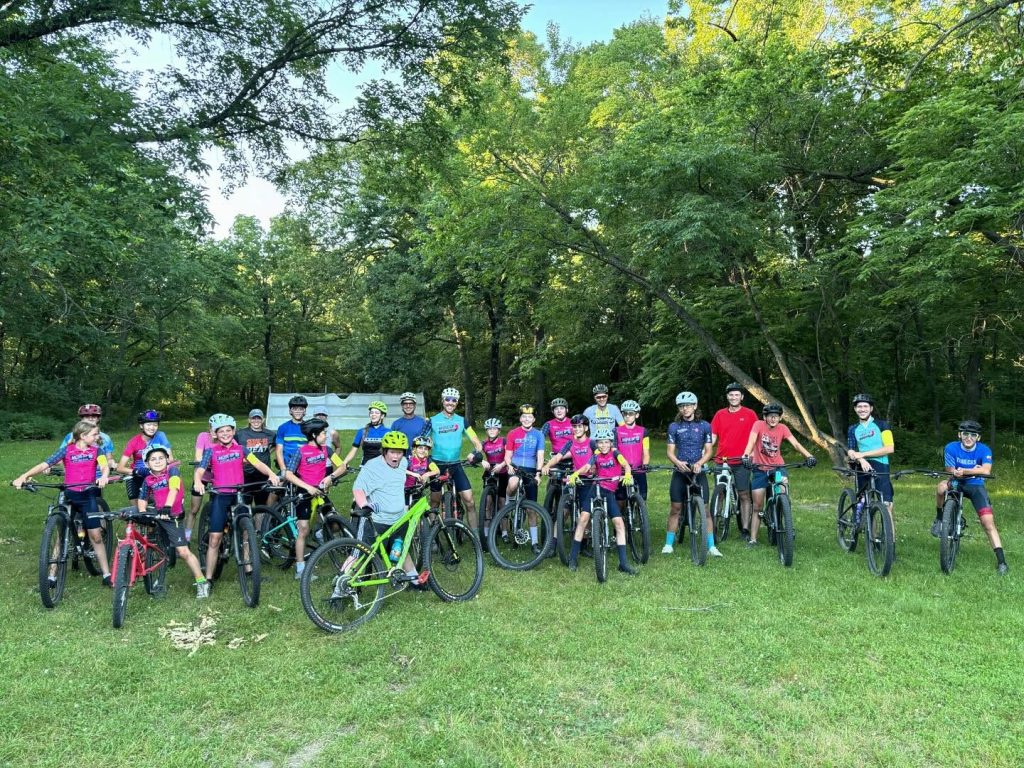
Parents play an enormous role in the NICA experience, but usually not by acting like a second coach. The most helpful things parents do are often simple: reduce stress, help with logistics, support healthy habits, and keep the emotional temperature steady on race weekends.
The best ways parents can help are:
- Keep equipment, food, and timing from becoming last-minute chaos.
- Help the athlete establish a calm race-day routine.
- Encourage effort, learning, and consistency more than results.
- Notice signs of excessive fatigue, stress, or burnout.
- Communicate with coaches when life, school, illness, or another sport is affecting training.
For many young athletes, the biggest gift a parent can provide is helping the day feel manageable. A calm parent is often a performance advantage.
What Should Parents Bring?
Having the basics covered makes race day much smoother. A simple checklist includes:
- Bike in working order.
- Helmet.
- Shoes.
- Gloves and glasses if used.
- Full race kit or riding clothes.
- Water bottles.
- Pre-race food and snacks.
- Post-race recovery food.
- Spare tube.
- Pump.
- Multi-tool.
- Chain lube.
- Floor pump if possible.
- Change of clothes.
- Towel or blanket.
- Sunscreen and weather-specific gear.
Immediately After the Race
Right after the finish, most athletes need a few simple things:
- A short cool-down if appropriate.
- Fluids.
- Something with carbohydrates and protein.
- A little time to come down emotionally before doing a full analysis.
Some riders will want to talk immediately. Others will need a little space first. Parents can help a lot here by reading the athlete and keeping the initial conversation steady and supportive.
What Should Parents Discuss After the Race?
After races, the best conversations usually focus on learning rather than judgment.
Helpful questions include:
- What went well today?
- What did you learn?
- What felt strong?
- What felt hard?
- Was there one thing you would want to handle differently next time?
- What is one action step we can take before the next race?
That action step matters. It keeps the athlete focused on the future instead of getting stuck replaying mistakes.
Examples:
- Practice switchback turns this week.
- Try a different pre-race lunch.
- Start the warm-up a little earlier.
- Tell the coach the athlete felt unusually tired so the week can be adjusted.
If the athlete had a bad day, it is okay to acknowledge that. Racing is hard. Disappointment is part of the sport. But after a short honest conversation, the focus should shift toward the next constructive step.
General Rules That Usually Help
- Build frequency before adding much more intensity.
- Protect sleep.
- Do not treat every ride like a test.
- Practice skills year-round, not just fitness.
- Keep beginners excited about riding.
- Let varsity riders be more structured, but not at the expense of recovery.
- If the athlete is constantly tired, irritable, or dreading the bike, reduce the load and reassess.
- General guidelines are useful, but the individual athlete always matters more.
Where Move Up’s Experience Fits
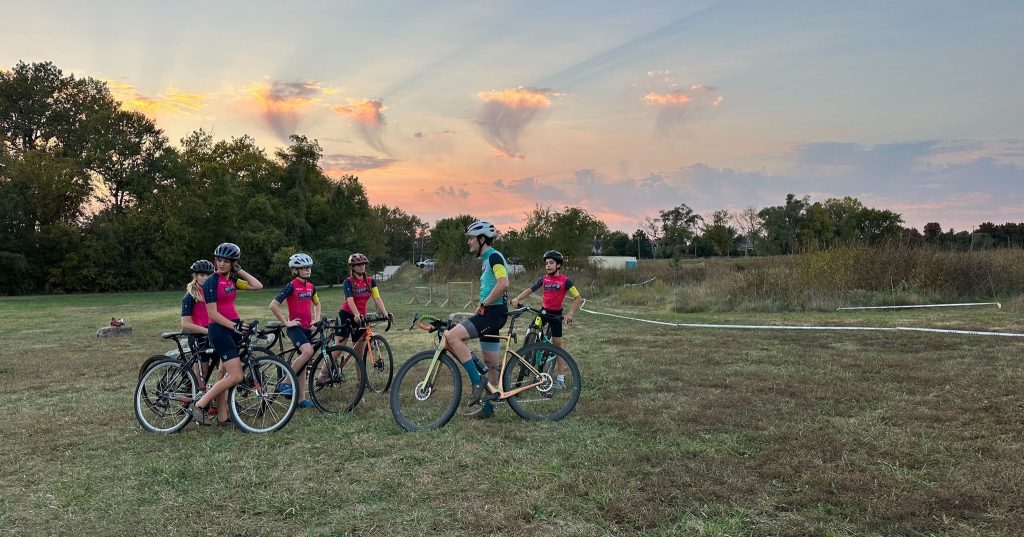
Through Move Up Cycling Club, private coaching, youth cycling clinics, and our work with NICA athletes, we have had the opportunity to support riders ranging from first-year racers to athletes competing at Junior Nationals.
We work closely with athletes in Kansas NICA and Missouri NICA and also coach riders in NICA leagues throughout the country. One of the areas where we frequently help athletes is balancing NICA with the rest of life. That may mean managing cross-country running during the fall, coordinating around basketball or track, navigating demanding academic schedules, or simply helping athletes avoid taking on more than they can realistically handle.
Our goal is not to make cycling the center of a young athlete’s world. Our goal is to help cycling fit into a healthy, balanced, and sustainable lifestyle.
Related Resources
- Parent’s Guide to Junior Cycling
- Junior Cycling Training Guide
- Junior Cycling Race Day Guide
- Junior Mountain Bike Skills Guide
- Nutrition and Recovery for Junior Cyclists
When Coaching Helps
Coaching can help NICA athletes who want more structure, are balancing multiple sports and activities, are unsure how hard to train, or simply want guidance from someone who understands the demands of youth mountain biking.
The goal is not to make the season more complicated. It is to help athletes make steady progress while keeping the sport enjoyable and sustainable.
Move Up offers individualized coaching that can be tailored to a NICA season, school schedule, race goals, and recovery needs. Learn about coaching.