

Junior Cycling Race Day Guide

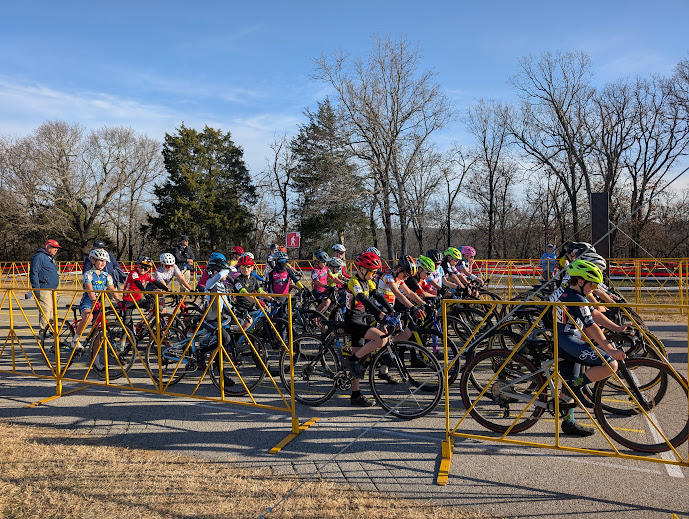
Race day is where preparation, nerves, logistics, fitness, skills, and execution all come together.
For junior riders, the goal isn’t just to perform well. It’s to build routines that help them feel prepared, make good decisions, and learn something from every race. The athletes who consistently improve over time aren’t necessarily the ones with the most talent. They’re often the ones who learn how to handle race day effectively.
That may sound simple, but race day can be surprisingly complicated. Travel, weather, start times, equipment, nutrition, warm-ups, staging procedures, and nerves all have the potential to affect performance. Even experienced adult racers still make mistakes. Junior athletes are often learning these skills for the first time.
The good news is that race-day skills can be learned just like fitness and bike handling skills can be learned.
The Day Before
The day before a race should feel calm and predictable. This is not the time to overhaul equipment, try a new nutrition product, or completely change a routine.
We encourage athletes to check over their bike, pack everything they need, prepare bottles, organize race nutrition, confirm travel plans, and make sure they know when and where they need to be. The more decisions you can make before race morning, the less stressful race day becomes.
Many race-day problems start the night before when athletes are rushed, disorganized, or assuming they’ll figure things out in the morning. Experienced racers eventually develop routines that make race preparation feel almost automatic. Junior athletes are still learning those habits, which is why preparation matters so much.
What To Pack
- Helmet, shoes, kit, gloves, and eyewear
- Bottles and race nutrition
- Warm-up layer or jacket
- Tools, pump, tube, and chain lube
- Number plate or race materials
- Post-race clothes
- Post-race food and recovery drink
- Weather-specific gear
One of the easiest ways to reduce race-day stress is having a packing checklist. The less mental energy spent wondering whether you forgot something, the more energy you can devote to preparing for the race itself.
Nutrition Is Often The Difference
 One of the biggest challenges we see with junior athletes isn’t fitness. It’s nutrition.
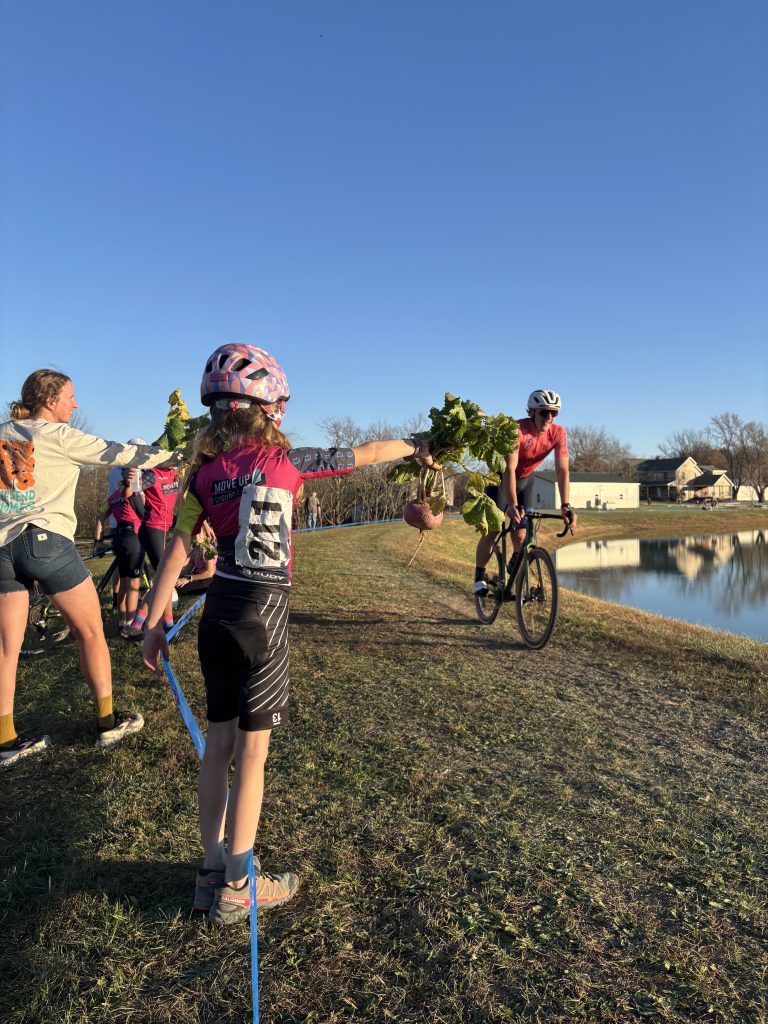 One of the biggest challenges we see with junior athletes isn’t fitness. It’s nutrition.
Race-day schedules often disrupt normal eating habits. Athletes wake up earlier than usual, travel to unfamiliar locations, deal with nerves, and suddenly find themselves trying to perform at a high level while operating on a completely different schedule than normal.
We’ve seen athletes with hundreds of hours of training lose races because they forgot to eat breakfast, didn’t drink enough water, started fueling too late, or underestimated how long they’d be waiting before their event. Those mistakes are frustrating because they have very little to do with fitness and everything to do with preparation.
A rider with slightly less fitness but a solid nutrition and hydration plan will often outperform a fitter rider who shows up under-fueled, dehydrated, or running on fumes halfway through the race. Fitness matters, but fitness only works if the body has the fuel it needs to use it.
Athletes don’t need a perfect nutrition strategy to have a great race. They simply need a plan. Knowing what you’ll eat, when you’ll eat it, when you’ll start drinking fluids, and how you’ll fuel before and during the race removes a tremendous amount of uncertainty.
This is one of the areas where coaching can be particularly valuable. Race-day nutrition isn’t usually solved in a single conversation. It’s an ongoing process of trial and error, testing different approaches, learning what works, and refining the plan over time. What works for an afternoon Kansas NICA race may look very different than what works for an early morning gravel race or a Missouri NICA event that doesn’t start until later in the day.
Over the years we’ve helped athletes work through these challenges hundreds of times. Coach Kent alone has raced more than 550 times, and those experiences—combined with helping hundreds of athletes prepare for races—provide valuable insight into the small details that can make race day run much more smoothly.
Warm-Up

 A good warm-up helps the rider feel awake, prepared, and ready to perform without draining valuable energy before the race even starts.
The exact warm-up depends on the event, weather conditions, race duration, and athlete. However, the most important thing is familiarity. Race day should not be the first time an athlete tries a particular warm-up routine.
As athletes gain experience, they’ll learn how much warm-up they personally need. Some riders perform best with a very short warm-up. Others need more time to feel physically and mentally ready. The key is developing a routine that can be repeated consistently.
Start Line Nerves
Nerves are normal.
In fact, we’d argue they’re often a good sign. Feeling nervous usually means the event matters to you and that you’re excited about the opportunity in front of you.
One of the biggest lessons junior athletes learn is that confidence doesn’t come from eliminating nerves. Confidence comes from knowing you’re prepared despite those nerves.
Athletes can manage race-day anxiety by focusing on simple cues, controlling what they can control, following their routine, and remembering that nervousness and excitement often feel remarkably similar.
Almost every athlete, from first-time racers to national champions, experiences some level of nervousness before important races. Learning how to perform despite those feelings is part of becoming a more complete athlete.
During The Race
Once the race begins, the focus should shift from outcomes to execution.
Junior riders should focus on controllable decisions such as pacing, safe passing, cornering, climbing efficiently, fueling when appropriate, and staying mentally engaged after mistakes.
One of the most important lessons in racing is that mistakes happen. Missed lines, poor starts, dropped chains, missed opportunities, and tactical errors are part of the sport. The athletes who continue improving are usually the ones who quickly refocus and keep racing rather than dwelling on what already happened.
Many athletes become overly focused on where they are in the standings. Instead, we encourage riders to focus on racing well. Often, the best results occur when athletes stay committed to executing their plan rather than constantly thinking about the result sheet.
After The Race
Immediately after a race is rarely the best time for a detailed analysis.
Athletes are often tired, emotional, hungry, and still processing what just happened. Give them time to cool down, eat, drink, and relax before diving into a lengthy discussion.
One of the most valuable habits athletes can develop is reflecting on each race in a productive way. Every race provides feedback. Some races provide positive feedback. Others provide lessons. Both are valuable.
After the race, we often encourage athletes to think about three simple questions:
- What went well?
- What did I learn?
- What would I do differently next time?
Those questions shift the focus toward growth and development rather than simply evaluating whether the result was good or bad.
How Parents Can Help
Parents play a huge role in shaping the race-day experience.
The most valuable things parents provide are often transportation, organization, encouragement, and emotional stability. Helping an athlete arrive prepared, keeping the day calm, and supporting them regardless of the result often has a bigger impact than any technical advice.
Many parents naturally want to help solve problems after a race. While that instinct comes from a good place, athletes often benefit more from being asked thoughtful questions than being given immediate answers.
Questions like “What went well?” and “What did you learn?” tend to lead to much more productive conversations than immediately focusing on results, mistakes, or missed opportunities.
Where Move Up’s Experience Fits
Through Move Up Cycling Club, private coaching, youth cycling clinics, and our work with NICA athletes throughout Kansas, Missouri, and other states, we’ve helped athletes prepare for everything from first-time races to Junior Nationals.
One of the biggest things we help athletes develop is confidence in their race-day process. That includes planning nutrition, creating warm-up routines, managing nerves, preparing equipment, understanding pacing, and learning how to evaluate performance after the race.
Race-day success isn’t about finding a magic trick. It’s about developing a repeatable process that allows athletes to perform closer to their potential more consistently.
Over time, those habits compound. Athletes become more confident, more self-aware, and better prepared to handle whatever challenges race day throws at them.
Related Resources
- Parent’s Guide to Junior Cycling
- NICA Season Guide
- Junior Mountain Bike Skills Guide
- Nutrition and Recovery for Junior Cyclists
Move Up offers coaching that can be tailored to junior riders, families, and race seasons. Learn how coaching can support junior cyclists.